Natural fibres · Engineered solutions
Engineering what nature already grew.
Compostable hygiene products from natural fibres — from raw fibre to running machine.
Fibre.
Process.
Machine.
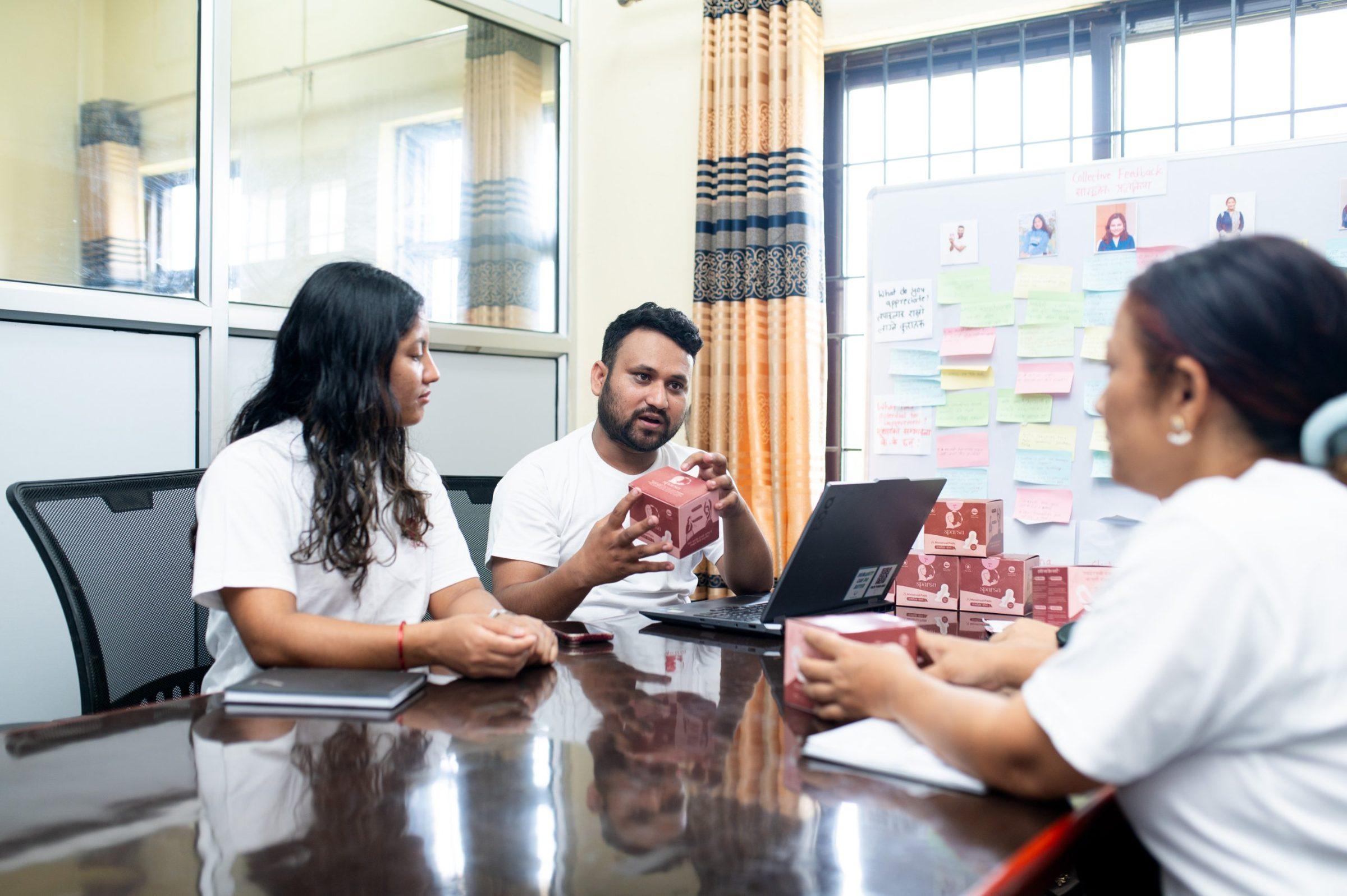
What if the stem left behind after a banana harvest could become a sanitary pad — one that returns to the soil instead of lasting for centuries?
I'm a mechanical engineer and Technical Lead Engineer at NIDISI-Sparsa Nepal, where we make compostable sanitary pads from banana fibre. I help entrepreneurs, NGOs and manufacturers turn natural fibres into hygiene products — and design, select and source the machines that make them.
Soil to soil
From plant waste to finished product — and back.
- 01
Grow & collect
Banana stems, sugarcane bagasse or hemp — often waste left after harvest.
- 02
Extract
Decortication separates usable fibre from the plant.
- 03
Treat
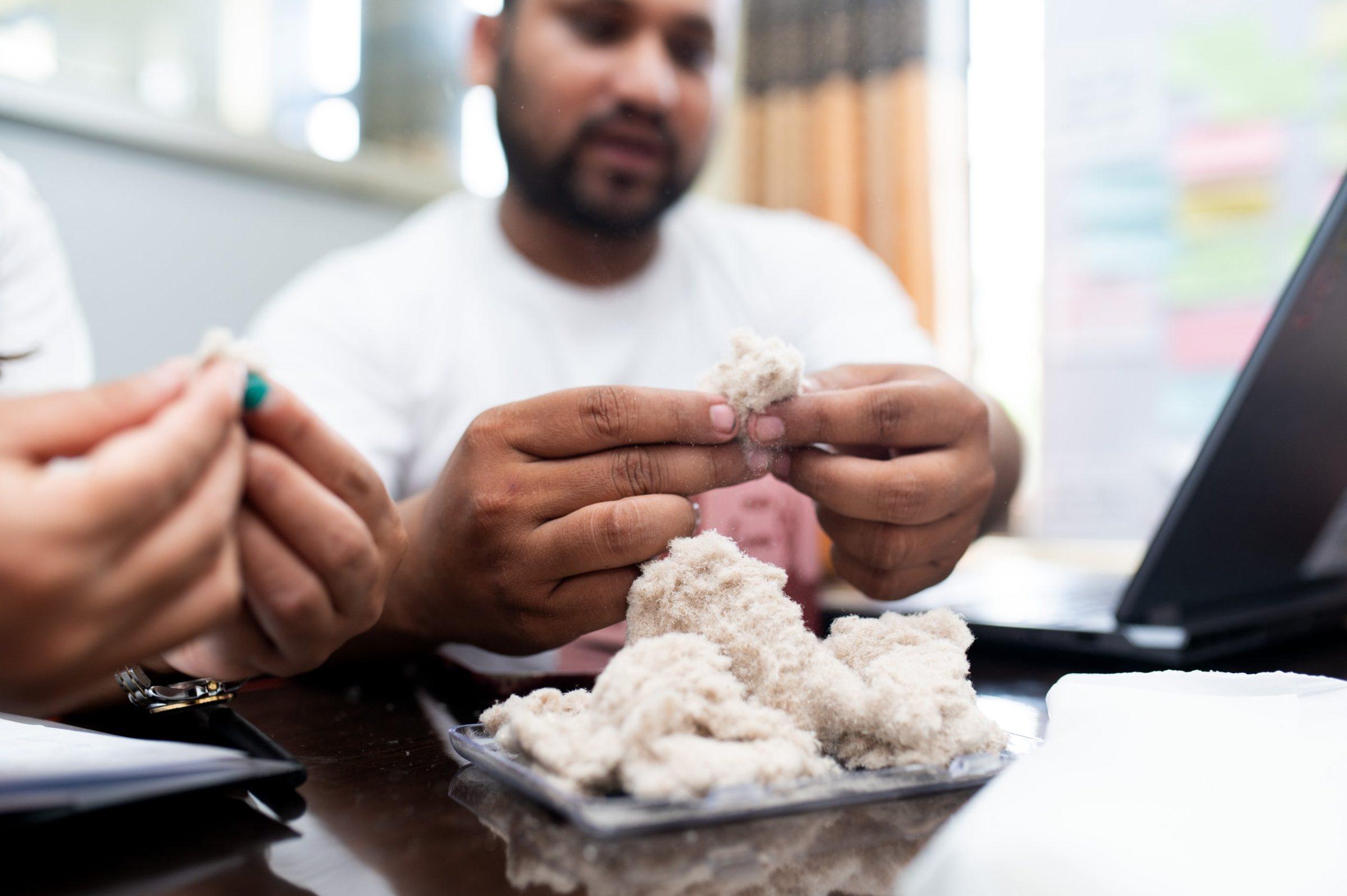
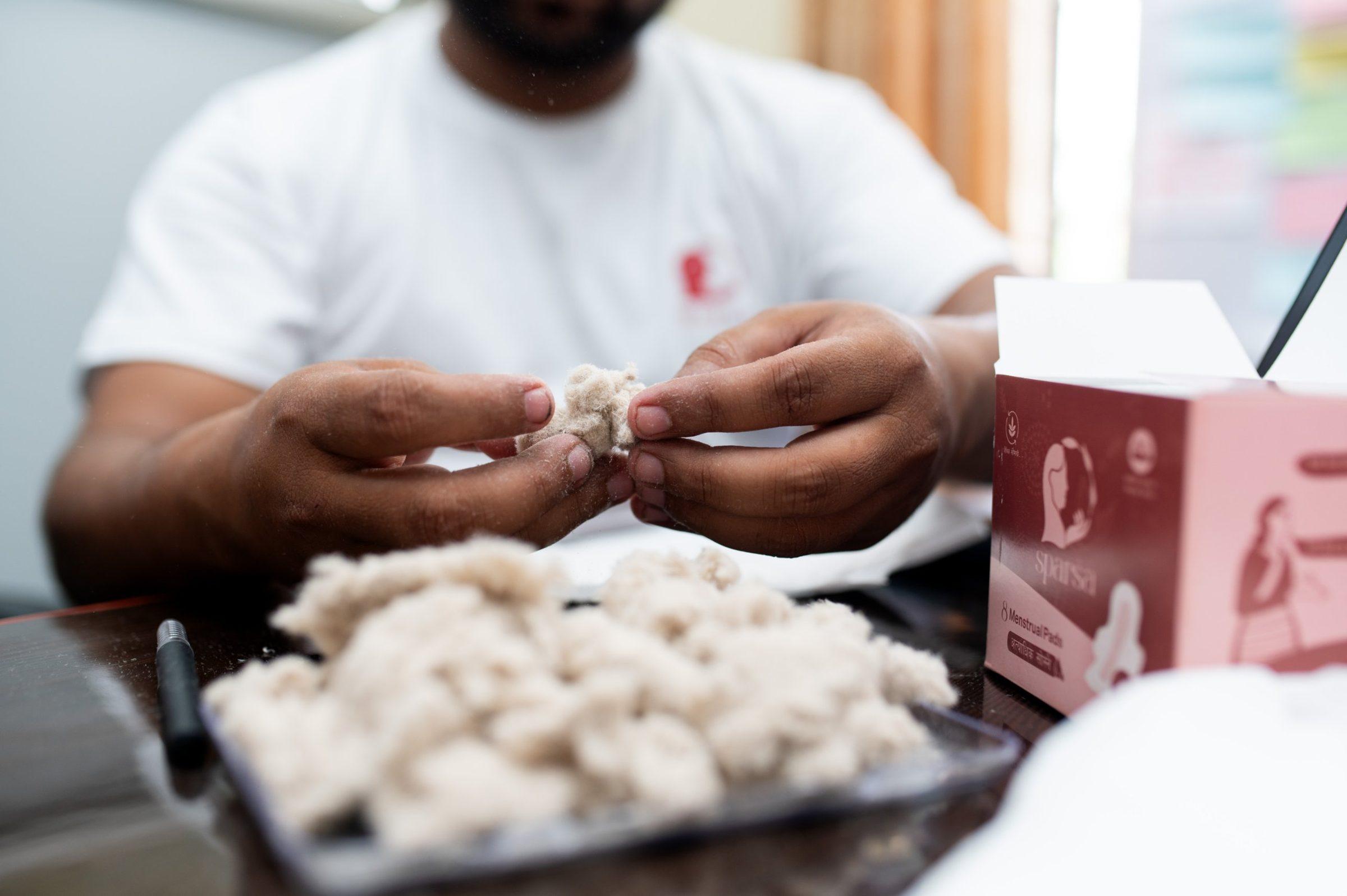
Cutting, alkaline treatment, neutralising and drying make the fibre absorbent.
- 04
Build the core
Fibre is formed into an absorbent core and layered with top sheet and barrier.
- 05
Manufacture
Gluing, compressing, cutting and sealing on machines built for the job.
- 06
Back to soil
After use, a compostable product can break down instead of lasting for centuries.
I can help at every step — see services.
Naturally designed for everyday products
What natural fibre can become.
Menstrual care
Sanitary pads
Compostable absorbent cores
Menstrual care
Panty liners
Thin natural-fibre layers
Menstrual care
Reusable cloth pads
Hemp and other textile fibres
Components
Absorbent cores
For pads and other hygiene products
Materials
Fibre paper & board
From banana fibre and bagasse
Materials
Moulded packaging
From sugarcane bagasse pulp
Where I can help
Engineering support, from first idea to running line.
01
Product & process consulting
Develop compostable sanitary pads and other hygiene products from natural fibres, and set up a process that produces them consistently.
- Choosing the right fibre — banana, sugarcane bagasse or hemp — for your product and region
- Fibre extraction, cutting and alkaline (NaOH) treatment, including neutralisation
- Absorbent core and pad structure: top sheet, distribution layer, core, barrier
02
Machinery design & selection
As a mechanical engineer, I help you choose, design or improve the machines on your line — so they fit your scale, budget and local workshop capacity.
- Machine selection for small and medium production lines
- Custom machine design and CAD — fibre extractors, cutters, dryers
- Tooling such as rotary dies that can be made in a normal workshop
03
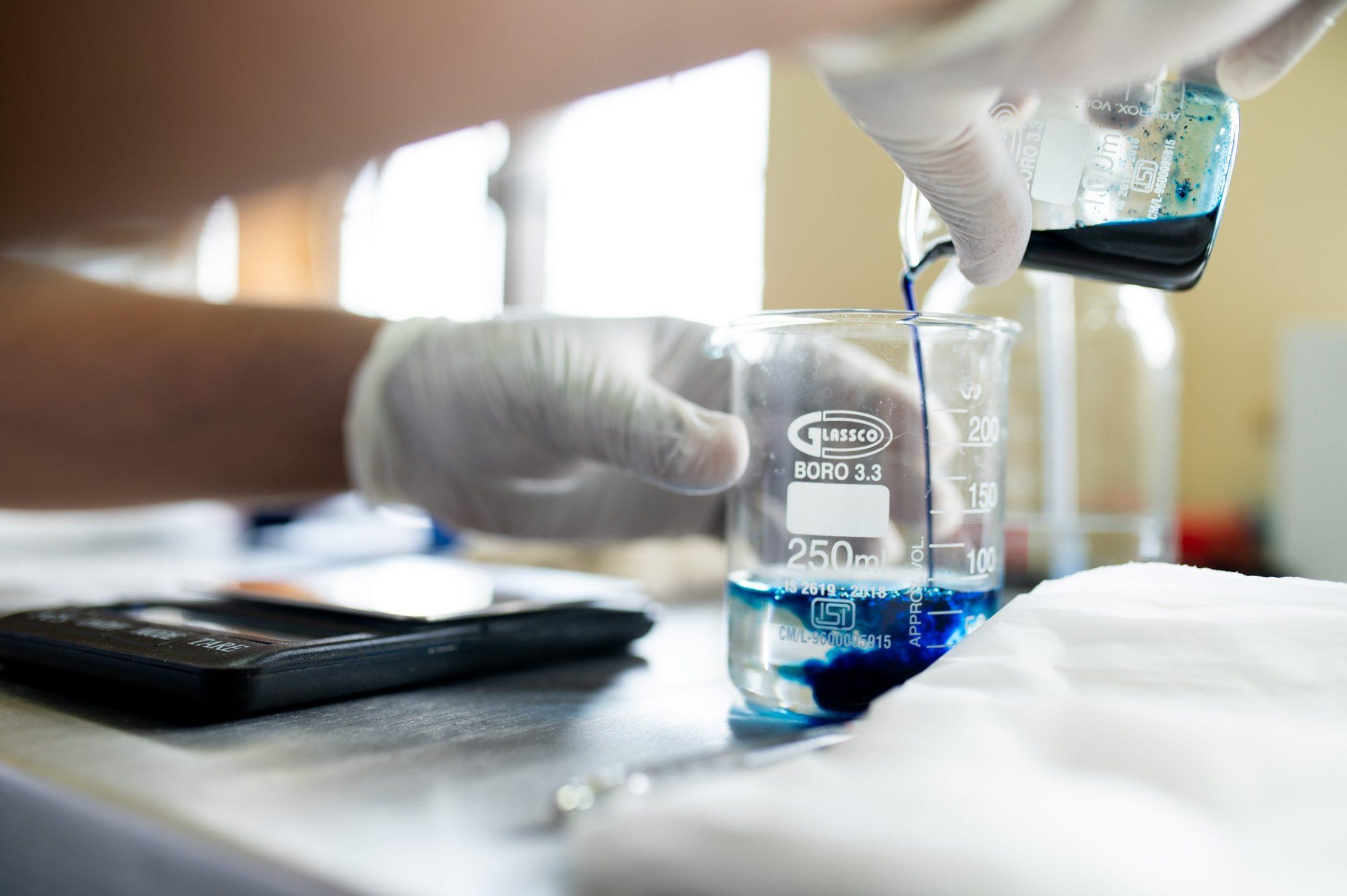
R&D & product testing
Lab trials and testing to develop new products, improve existing ones and keep quality consistent.
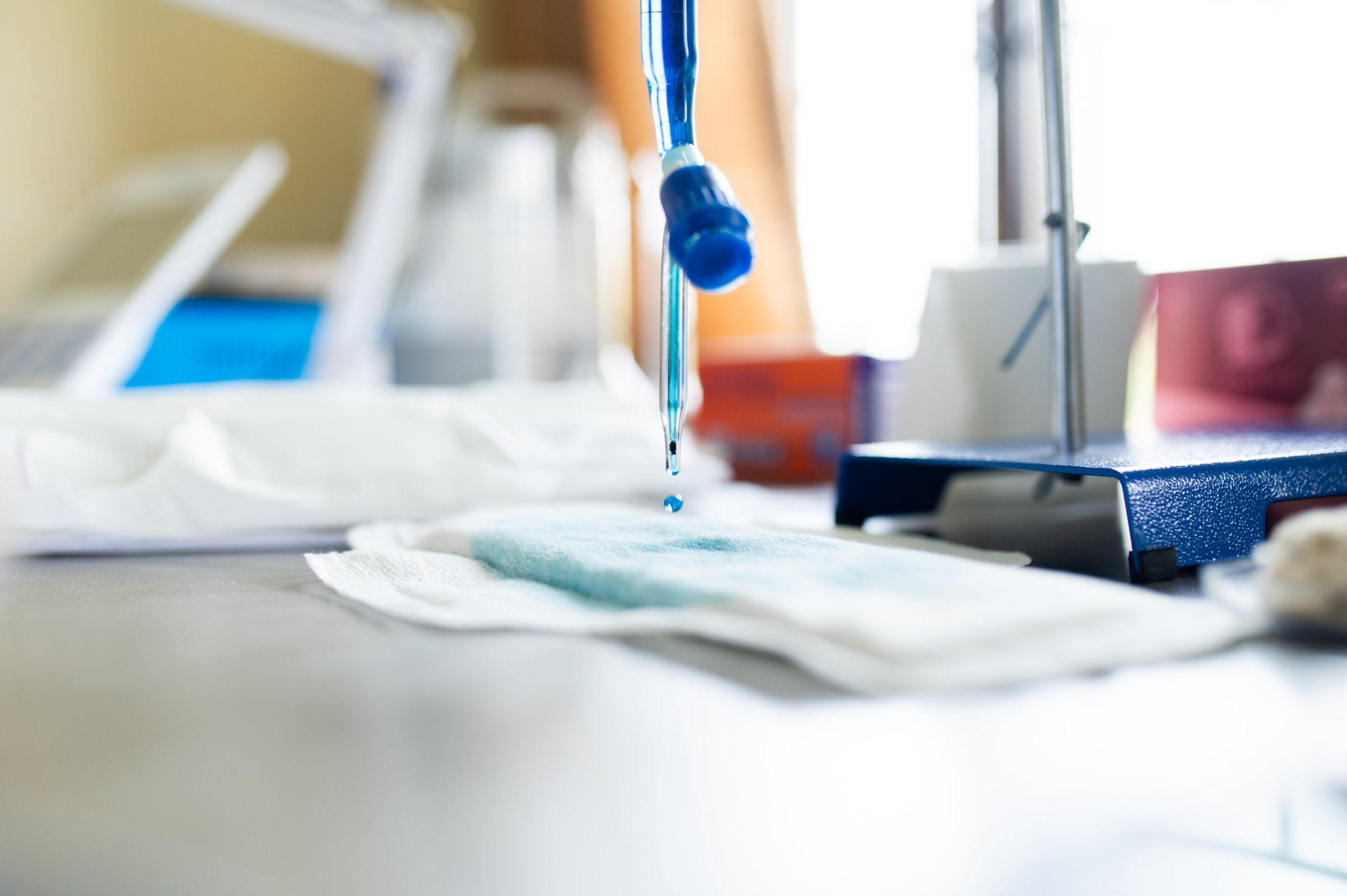
- Fibre treatment trials: concentration, time, neutralisation
- Absorbency testing with suitable test liquids
- Practical quality-control tests for daily production
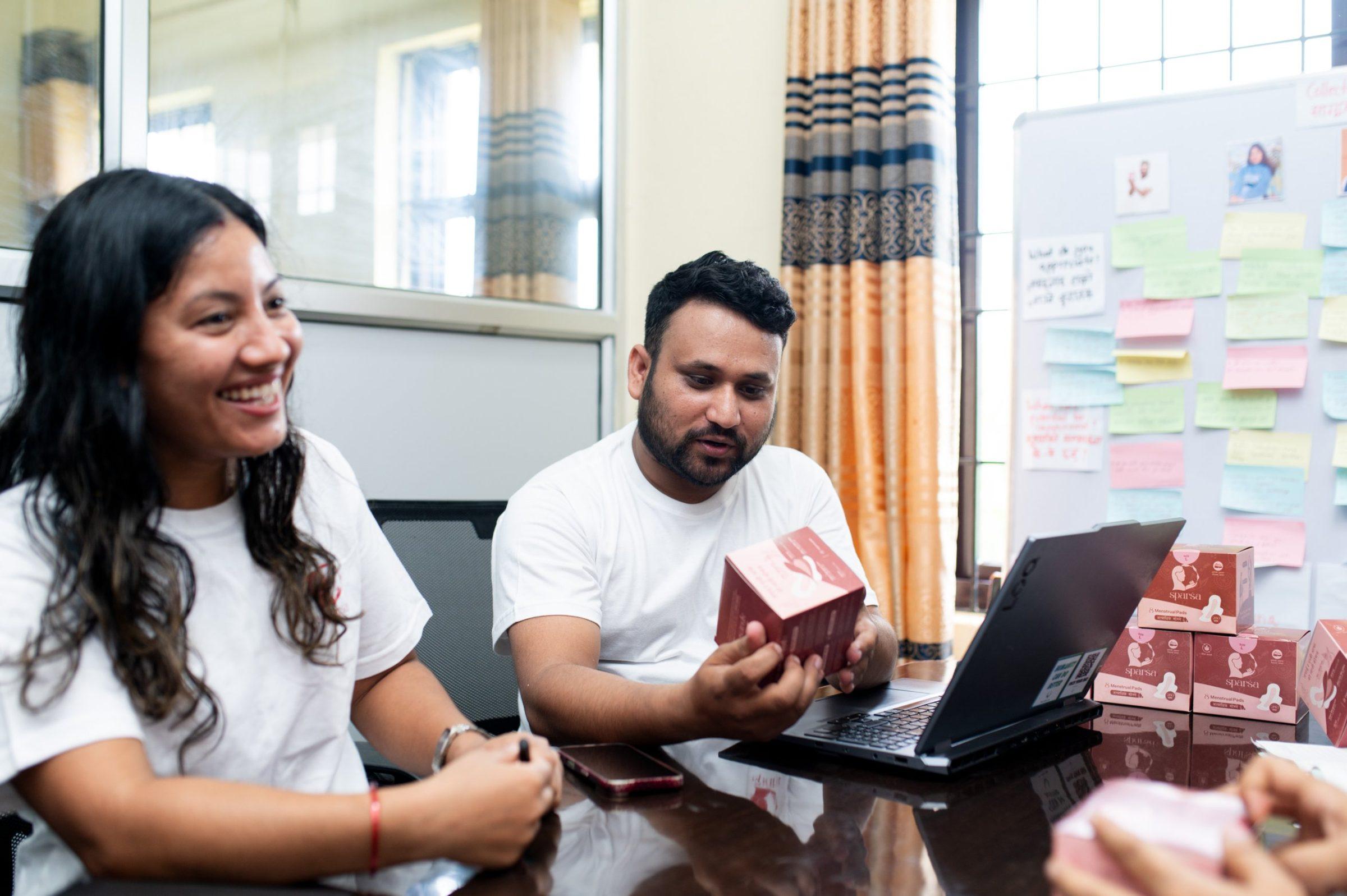
04
Machine & raw-material sourcing
Connect with suppliers of machines and raw materials for natural-fibre hygiene products, with an engineer checking that what you buy fits your process.
- Finding and comparing machine suppliers
- Sourcing fibres and other raw materials
- Checking specifications and quotations before you buy
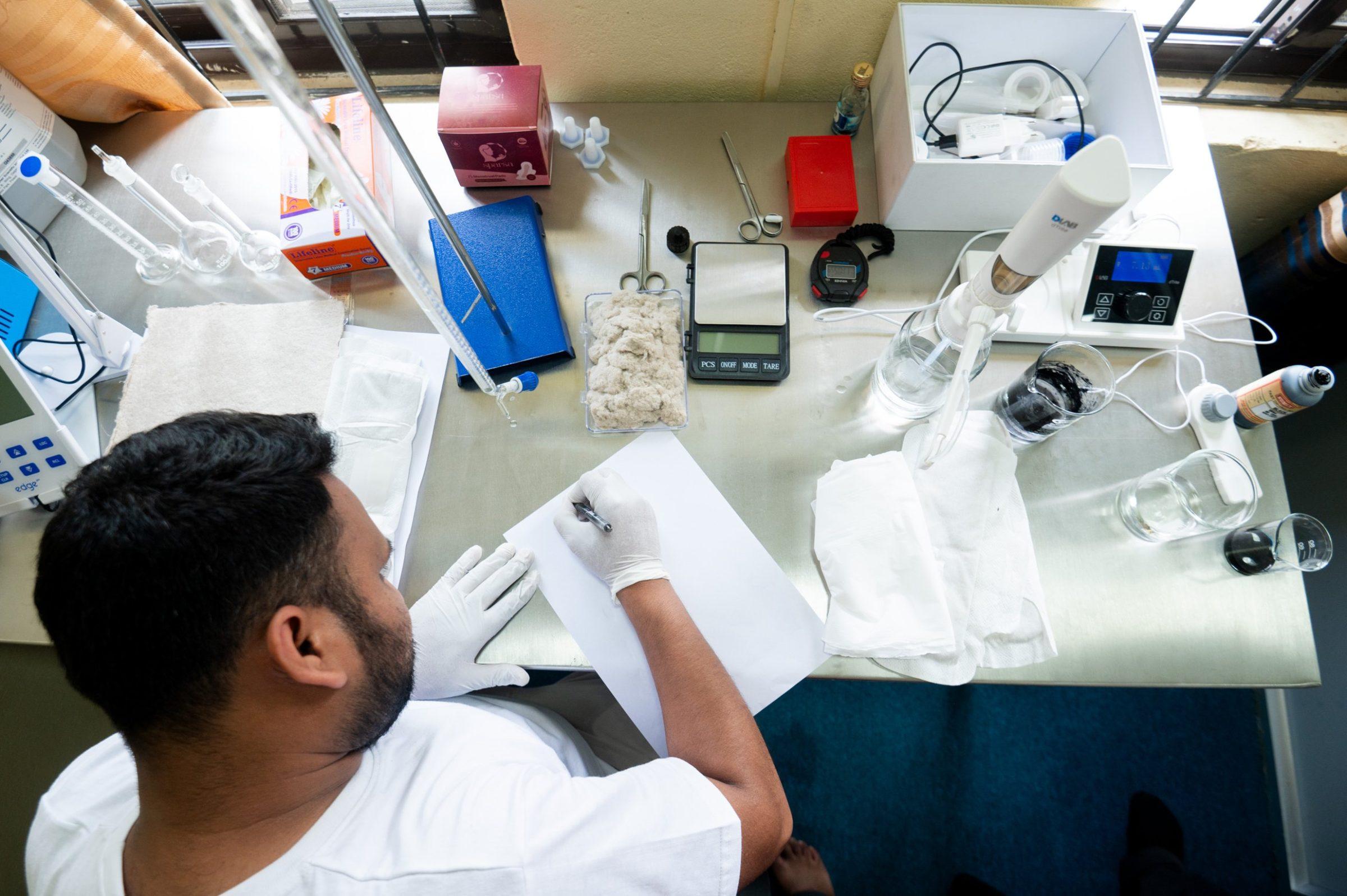
Research, development & testing
Evidence before production.
Fibre treatment trials, absorbency tests and test-liquid research — so every improvement is backed by results.
Inside the lab →Regenerative materials
Agricultural waste today. Compostable products tomorrow.
Banana fibre
From farm waste to absorbent core
Banana plants are cut down after each harvest, leaving stems that are usually thrown away. The fibre extracted from those stems can be processed into an absorbent, compostable material for sanitary pads.
Explore →
Sugarcane bagasse
A by-product of sugar mills
Bagasse is the fibrous residue left after sugarcane is crushed for juice. It is produced in large volumes and can be pulped for compostable products.
Explore →
Hemp
Fast-growing and durable
Industrial hemp grows quickly with relatively few inputs and yields strong bast fibre and softer inner material, both of which have uses in hygiene and textile products.
Explore →
4+
years as a technical lead
3
natural fibres: banana, bagasse, hemp
2
areas: product & machinery
Selected work
Projects
Questions
Frequently asked
I'm just starting out. Can you still help?+
Yes. Many projects start with an idea and a fibre that's available locally. We can begin by working out what's realistic for your budget, scale and location.
Which fibres do you work with?+
Mainly banana fibre, sugarcane bagasse and hemp. If you have access to another natural fibre, get in touch and we can look at whether it suits your product.
Can the machines be made locally?+
Often, yes. I design with ordinary workshop capability in mind, so equipment can be built and maintained close to where it's used.
Do you help with buying machines and raw materials?+
Yes. I can connect you with suppliers, compare options and check specifications before you buy.
How does a consultation work?+
Send a message through the contact form or WhatsApp with a few details about your project. From there we'll agree on what help you need.
From fibre, back to soil.
Planning a compostable pad line, or stuck on a machine? Tell me what you're working on.