Research, development & testing
Evidence before production.
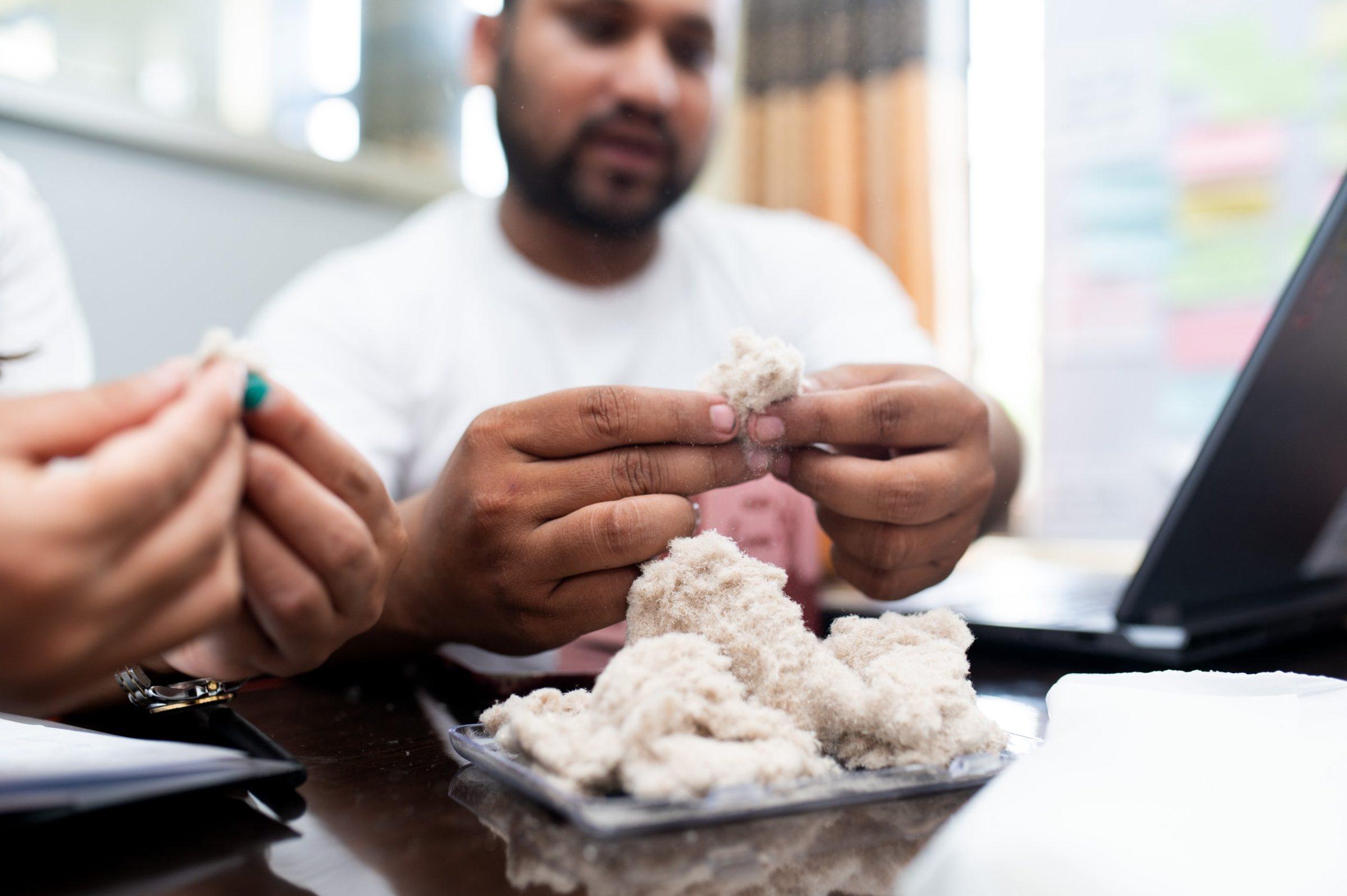
Every improvement to a natural-fibre pad starts in the lab: treating fibre, testing absorbency and measuring results until they can be repeated.
Why it matters
Natural fibre behaves differently from plastic.
Fibre from banana stems or bagasse varies with the plant, the season and how it's processed. To make a pad that performs reliably, you need to understand the material and test the product.
At NIDISI-Sparsa Nepal, I run experiments on fibre treatment, pad structure and absorbency to find out what actually works, then turn those results into changes on the production line.
In the lab
What I test.
Absorbency testing
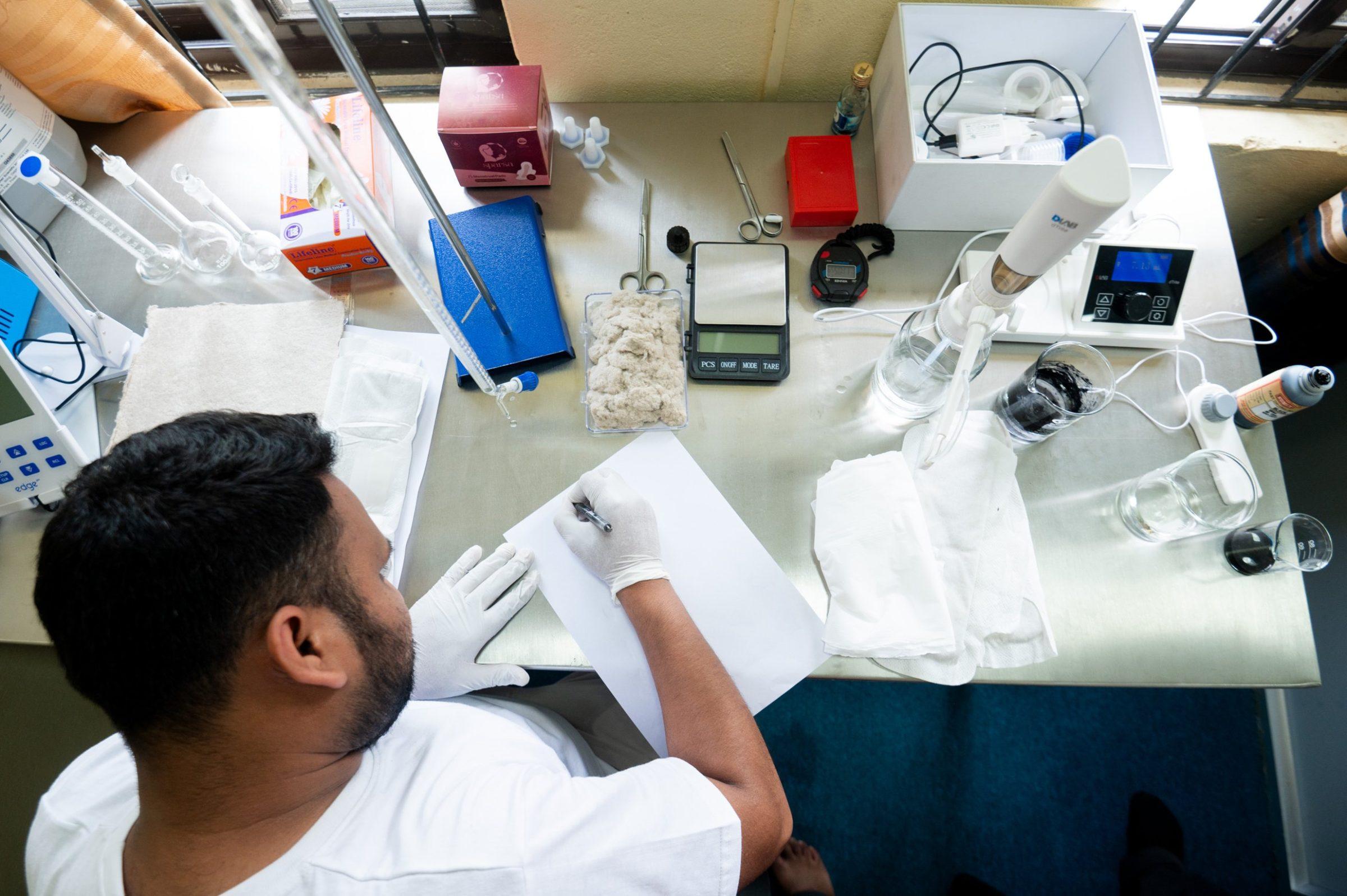
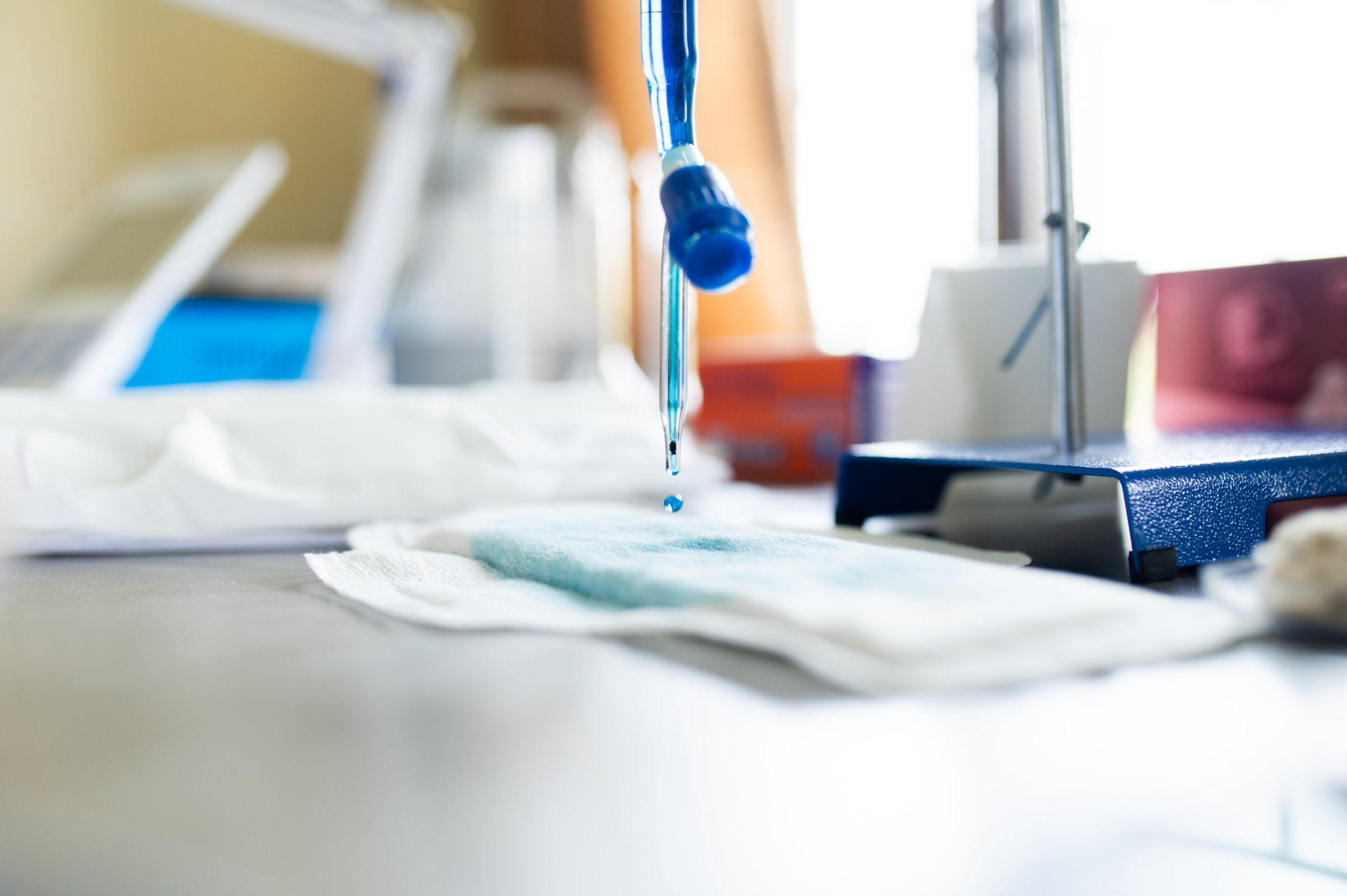
Dosing measured amounts of test liquid onto finished pads and timing how quickly and how much they absorb.
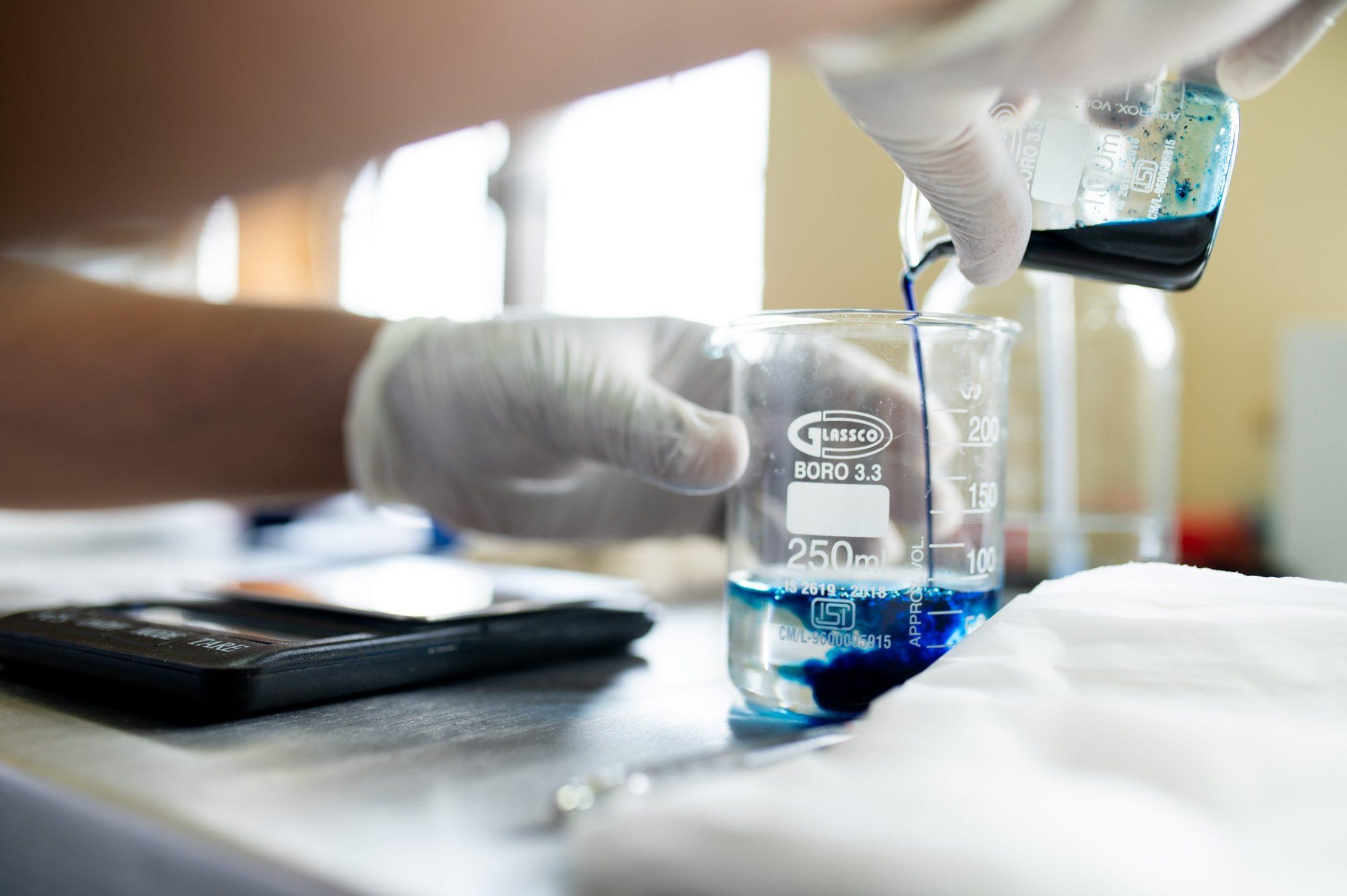
Test liquids
Comparing liquids used to simulate menstrual fluid, so lab results reflect real-world use.
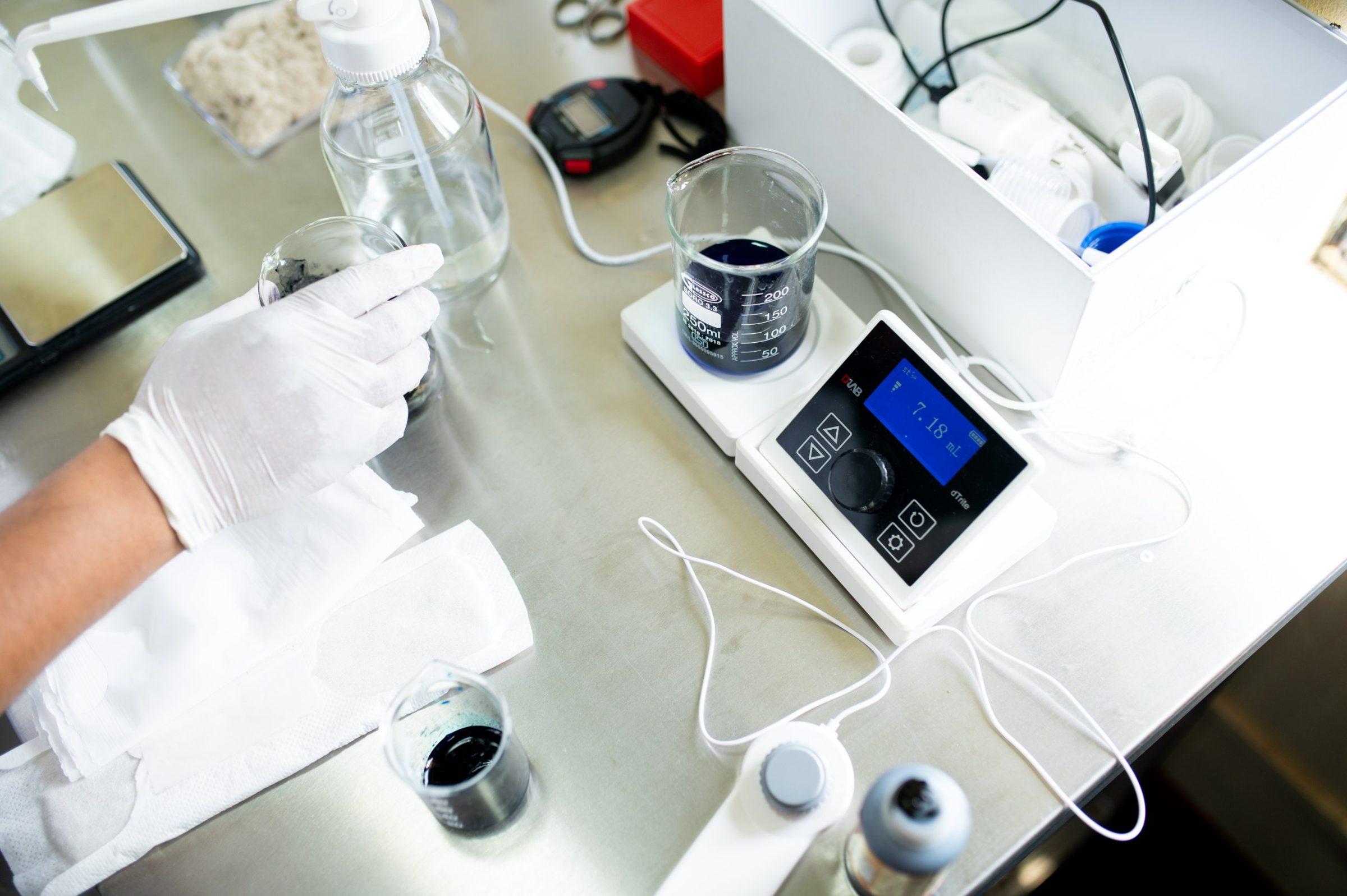
Fibre chemistry
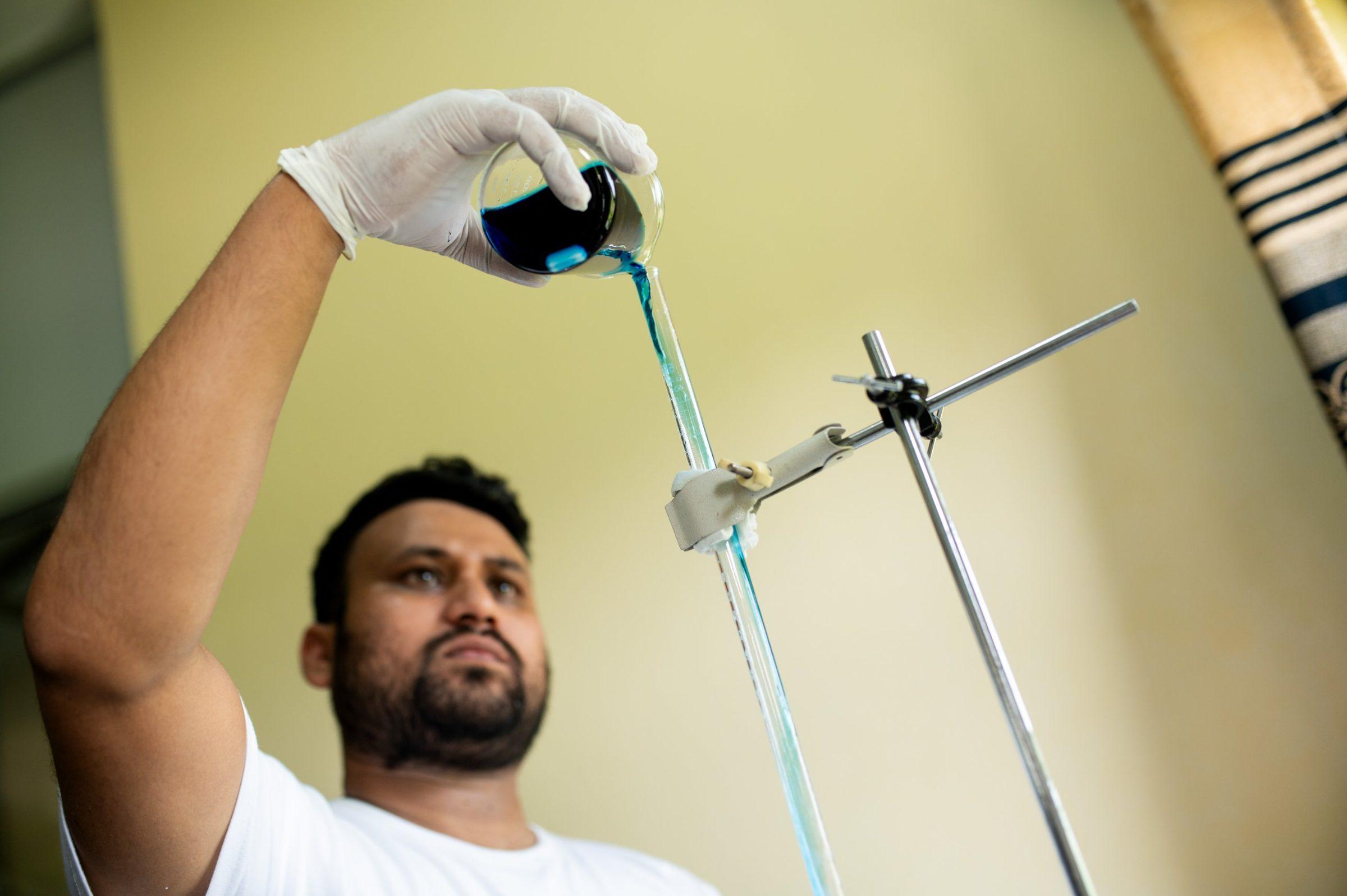
Titration and pH checks for alkaline treatment and neutralisation of natural fibre.
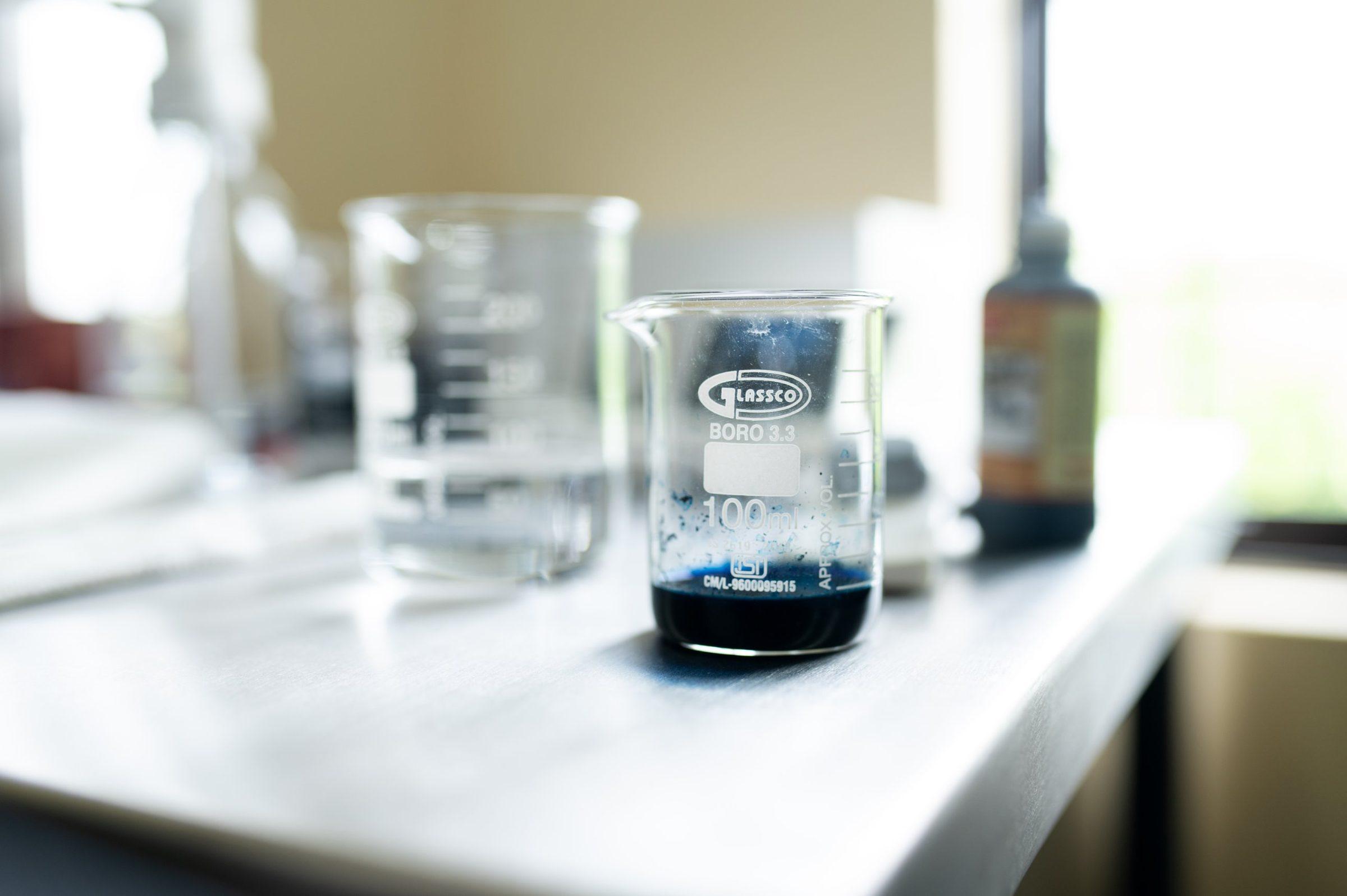
Measurement & records
Weighing, timing and recording every trial so results can be repeated and compared.
How R&D works
From question to production line.
01
Define the problem
A product issue, a new fibre, or a machine that isn't performing.
02
Review the evidence
Published research and existing data, checked against reliable sources.
03
Run lab trials
Small, controlled experiments that change one variable at a time.
04
Prototype & test
Make samples, test them, and improve the design.
05
Scale to production
Turn what works in the lab into a process the factory can repeat.
How I can help
R&D support for your product.
Product development
Develop or improve a natural-fibre pad — structure, materials and performance.
Test methods & quality control
Practical tests for absorbency and quality that a small producer can run every day.
Simple lab setup
Advice on the basic equipment and procedures you need to test your own products.
Research projects